Why Visit Abu Simbel?
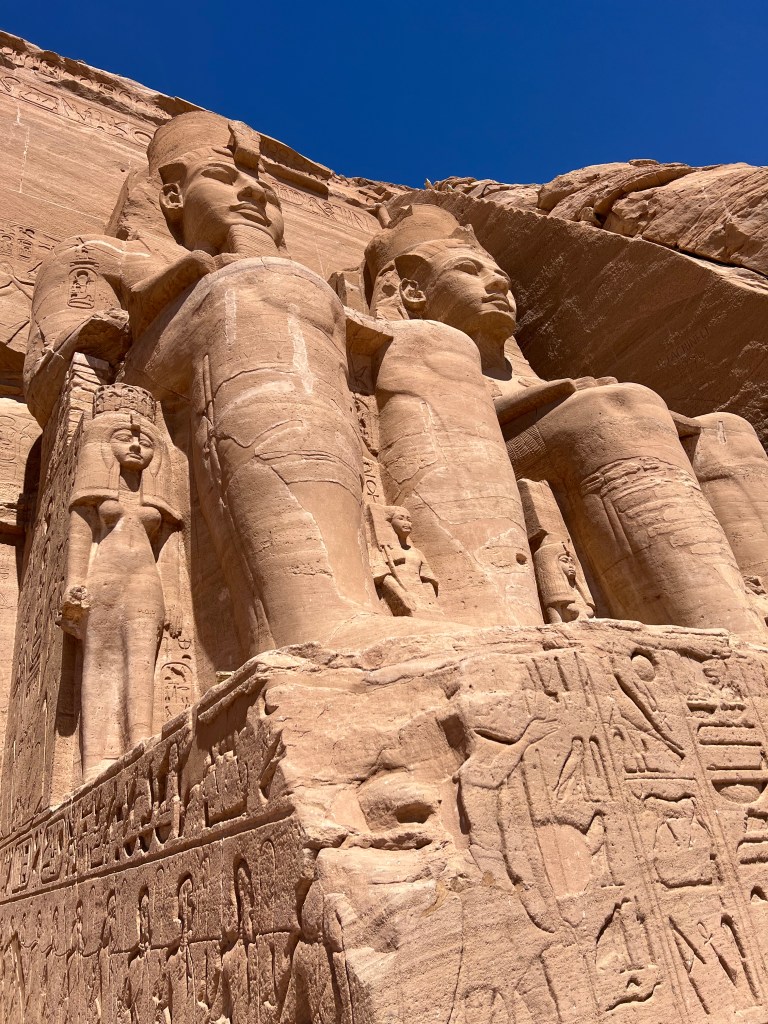
Abu Simbel, one of Egypt’s most breathtaking archaeological sites, lies near the Sudanese border in southern Egypt. Built in the 13th century BCE by Pharaoh Ramses II, the temple complex is famous for its colossal statues, intricate wall carvings, and historical significance. In the 1960s, it was relocated stone by stone to higher ground to save it from the rising waters of Lake Nasser. Today, it remains a must-visit destination for history lovers and adventurers alike.
What to See at Abu Simbel?
1. The Great Temple of Ramses II
The most iconic structure at Abu Simbel, the Great Temple, was built to honor Ramses II, as well as the gods Ra-Horakhty, Amun-Ra, and Ptah. The façade is dominated by four 20-meter-tall statues of Ramses II, which greet visitors with their imposing presence.
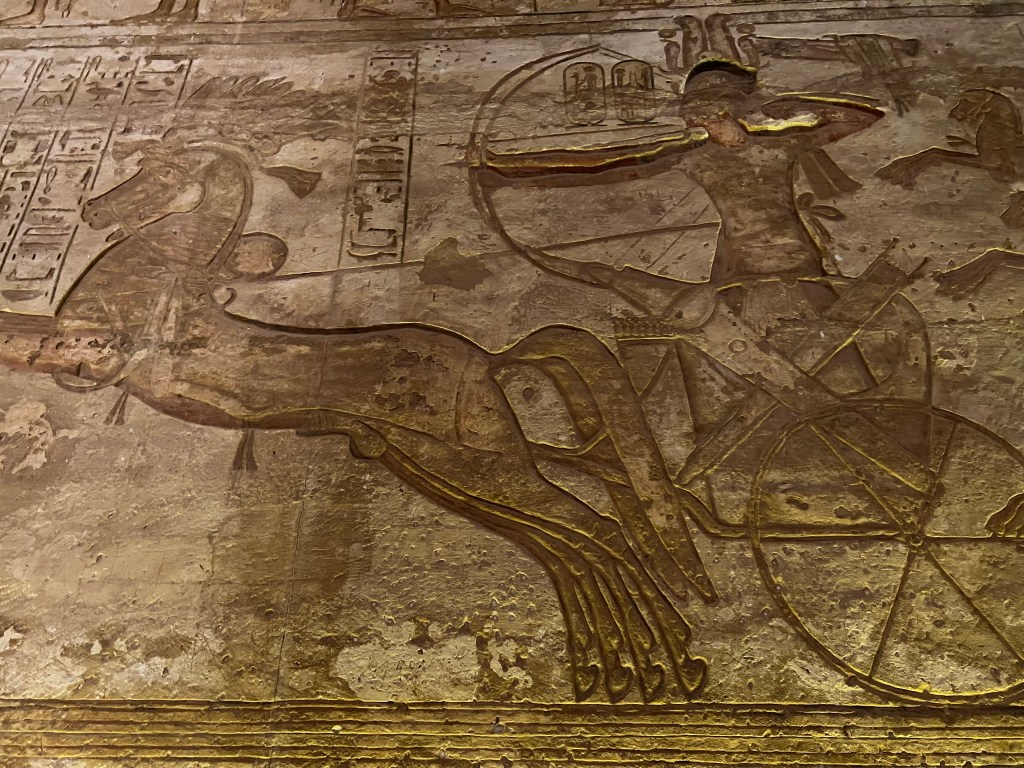
Inside, the walls depict scenes of the pharaoh’s military victories, including:
- The Battle of Kadesh: One of the most famous carvings shows Ramses II’s battle against the Hittites in 1274 BCE. The artwork portrays Ramses in his chariot, firing arrows at his enemies, while the Hittites flee or fall into the Orontes River. This battle, although indecisive, led to one of history’s first recorded peace treaties.
- Religious and Divine Imagery: Other carvings show Ramses making offerings to the gods and being blessed by them, reinforcing his divine status.
- The Inner Sanctuary: At the temple’s heart, a small chamber houses statues of Ra-Horakhty, Amun-Ra, Ptah, and Ramses himself, which align perfectly with the sun twice a year (on February 22 and October 22), illuminating three of the four figures while Ptah, associated with the underworld, remains in darkness.
2. The Temple of Queen Nefertari
Adjacent to the Great Temple is a smaller yet equally fascinating temple dedicated to Queen Nefertari, Ramses II’s beloved wife. This temple honors the goddess Hathor and features impressive carvings of Nefertari standing alongside Ramses, an unusual depiction that emphasizes her importance.
How to Get to Abu Simbel
- By Air: The fastest way to reach Abu Simbel is by a domestic flight from Aswan (about 45 minutes).
- By Road: Many visitors opt for a 3-4 hour drive from Aswan, either by bus or private car, offering scenic desert views.
- By Cruise: Some Nile cruises extend their routes to include Abu Simbel, providing a more relaxed journey.
Best Time to Visit
- October to April: The weather is cooler and ideal for exploring.
- Sun Festival (February 22 & October 22): A special event when sunlight perfectly illuminates the temple’s inner sanctuary, attracting many tourists.
Tips for Visiting Abu Simbel
- Arrive Early to avoid crowds and experience the site in a more peaceful setting.
- Bring Water & Sunscreen as the desert heat can be intense.
- Check Photography Rules as some areas may have restrictions on taking pictures inside the temples.
Final Thoughts
Abu Simbel is more than just an ancient site; it’s a testament to the power, artistry, and ambition of ancient Egypt. Whether you’re a history buff, an archaeology enthusiast, or simply a traveler seeking awe-inspiring landmarks, Abu Simbel promises an unforgettable experience.
 Travel & Lifestyle